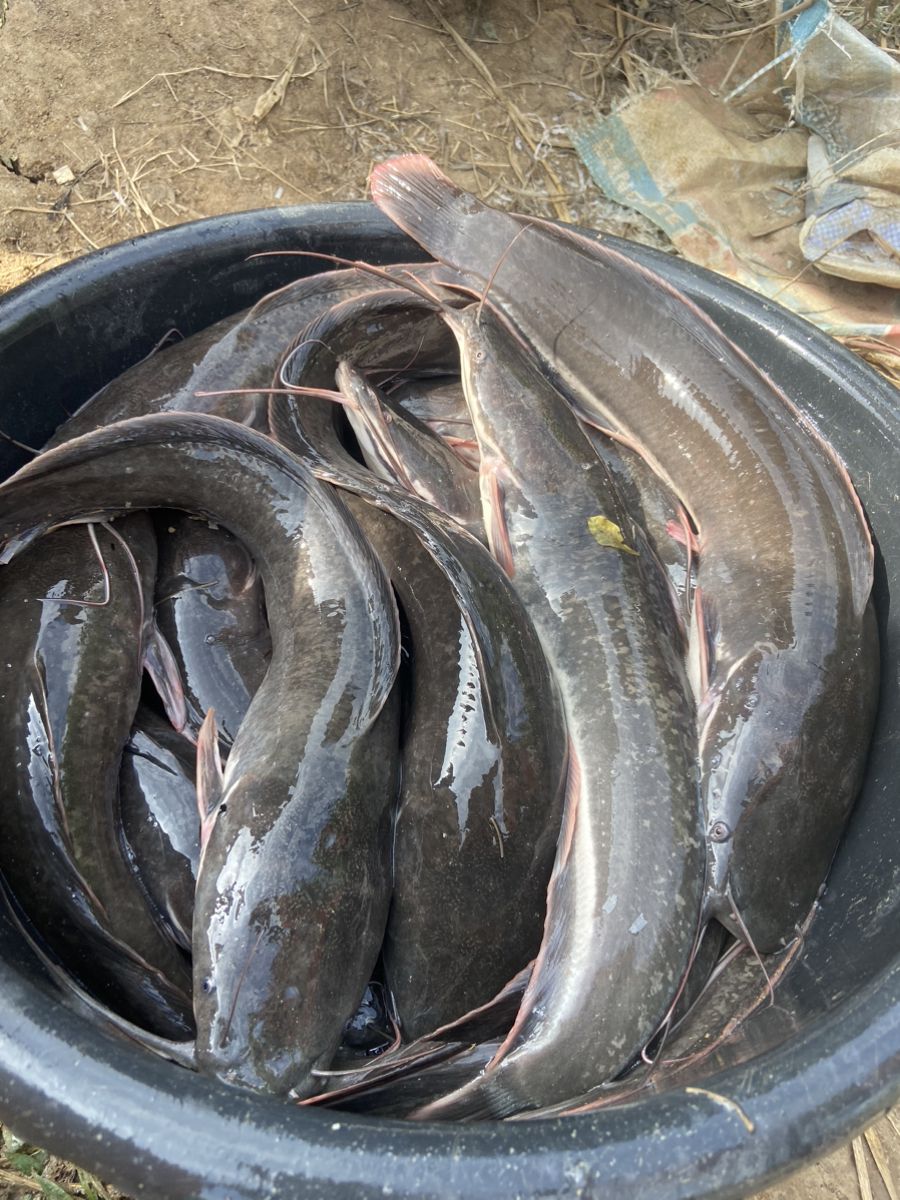
Executive Summary
Catfish farming represents one of the most profitable and sustainable aquaculture investments in Nigeria, with the potential to generate 25-35% annual returns on investment. With Nigeria's annual fish demand deficit of over 2 million metric tons and growing preference for catfish, this investment offers exceptional opportunities for both local and diaspora investors.
- ROI Potential: 25-35% annually
- Market Size: 3.2 million metric tons annual demand
- Production Cycle: 5-6 months from juvenile to market size
- Profit Margin: 40-50% per production cycle
- Scalability: Easy expansion from small to commercial scale
Market Opportunity: Nigeria's Fish Deficit
1. Massive Supply-Demand Gap
Nigeria produces only 1.1 million metric tons of fish annually against a demand of 3.2 million metric tons, creating a 2.1 million metric ton deficit that is largely filled by expensive imports.
2. Growing Protein Consumption
With rising population and increasing health consciousness, fish consumption is growing at 15% annually. Catfish remains the most preferred fish species due to its taste, nutritional value, and cultural acceptance.
3. Government Support & Incentives
The Nigerian government provides various incentives for aquaculture development, including tax holidays, grants, and technical support through the Fisheries Society of Nigeria and agricultural development programs.
Investment Models & Capital Requirements
| Farm Scale | Investment Range | Production Capacity | Annual Revenue | ROI Timeline |
|---|---|---|---|---|
| Small Scale 25% ROI | ₦2,000,000 - ₦5,000,000 | 5,000 - 10,000 fish/cycle | ₦2,400,000 - ₦6,000,000 | 12-15 months |
| Medium Scale 30% ROI | ₦5,000,000 - ₦15,000,000 | 10,000 - 30,000 fish/cycle | ₦6,000,000 - ₦18,000,000 | 10-12 months |
| Commercial Scale 35% ROI | ₦15,000,000 - ₦50,000,000 | 30,000 - 100,000 fish/cycle | ₦18,000,000 - ₦60,000,000 | 8-10 months |
Production Systems & Infrastructure
Earthen Pond System
Capacity: 5,000-20,000 fish
Setup Cost: Low to moderate
Maintenance: Moderate
TraditionalConcrete Tank System
Capacity: 10,000-50,000 fish
Setup Cost: Moderate to high
Maintenance: Low
RecommendedFlow-through System
Capacity: 20,000-100,000 fish
Setup Cost: High
Maintenance: Low
AdvancedRecirculating System
Capacity: 50,000+ fish
Setup Cost: Very high
Maintenance: Technical
High-TechProduction Cycle & Growth Timeline
Hatchery Phase
Duration: 21-28 days
Activity: Breeding & hatching
Output: Fingerlings
Nursery Phase
Duration: 4-6 weeks
Activity: Fingerling growth
Output: Juvenile fish
Grow-out Phase
Duration: 4-5 months
Activity: Main growth period
Output: Market-size fish
Harvest & Sales
Duration: 2-4 weeks
Activity: Marketing & distribution
Output: Revenue generation
Financial Projections & Profitability Analysis
Quick Profit Calculator (10,000 Fish Cycle)
Total Investment: ₦4,500,000
Survival Rate (80%): 8,000 marketable fish
Average Weight: 1kg per fish
Detailed Cost Analysis (10,000 Fish Concrete Tank System)
| Cost Category | Amount | Percentage |
|---|---|---|
| Infrastructure (Tanks, Plumbing) | ₦1,500,000 | 33% |
| Juvenile Fish (10,000 @ ₦25) | ₦250,000 | 6% |
| Feed (8,000kg @ ₦450) | ₦3,600,000 | 53% |
| Labor & Management | ₦300,000 | 4% |
| Utilities & Miscellaneous | ₦150,000 | 3% |
| Total Production Cost | ₦4,500,000 | 100% |
Revenue & Profit Projections
| Metric | Calculation | Amount |
|---|---|---|
| Marketable Fish | 10,000 × 80% survival | 8,000 fish |
| Average Selling Price | Wholesale market rate | ₦800/kg |
| Total Revenue | 8,000 × 1kg × ₦800 | ₦6,400,000 |
| Production Cost | ₦4,500,000 | |
| Gross Profit | ₦1,900,000 | |
| Operating Expenses | ₦100,000 | |
| Net Profit | ₦1,800,000 | |
| Profit Margin | 28% |
Best Practices for Success
1. Site Selection & Water Quality
- Choose locations with reliable water source (borehole preferred)
- Maintain pH levels between 6.5-8.5
- Ensure proper water temperature (26-30°C)
- Regular water quality testing and management
2. Feed Management
- Use high-quality floating fish feed (40-45% protein)
- Feed 3-5% of body weight daily
- Implement feeding schedules (morning and evening)
- Monitor feed conversion ratio (target: 1.2-1.5)
3. Health Management
- Regular health monitoring and disease prevention
- Proper vaccination and medication protocols
- Quarantine new stock before introduction
- Maintain optimal stocking density
Risk Management & Mitigation
1. Disease Outbreaks
Strategy: Implement biosecurity measures, regular health checks, and maintain optimal water quality. Have emergency treatment protocols in place.
2. Market Price Fluctuations
Solution: Diversify sales channels, establish long-term contracts with buyers, and consider value-added products (smoked fish, fillets).
3. Feed Cost Volatility
Approach: Establish relationships with multiple feed suppliers, consider bulk purchasing, and explore alternative protein sources.
CIL Aquaculture Investment Opportunity
Our Planned Catfish Operation
Location: Ogun State (strategic water access)
System: Concrete tank technology
Initial Capacity: 10,000 juveniles (scaling to 50,000)
Technology: Modern water management systems
Market: Established buyer network in Lagos
Investment Package Details
- Minimum Investment: ₦3,000,000
- Investment Period: 24 months
- Expected ROI: 30% annually
- Production Cycles: 2 cycles per year
- Management Fee: 15% of profits
- Reporting: Monthly production and financial reports
- Security: Infrastructure and equipment collateral
Dive into Profitable Aquaculture
Join our catfish farming investment program and capitalize on Nigeria's massive fish deficit with professional management and modern aquaculture techniques.